 Active-Duty Military Owned
Fireplace Conversion: Optimizing Gas Log Placement for Energy Flow
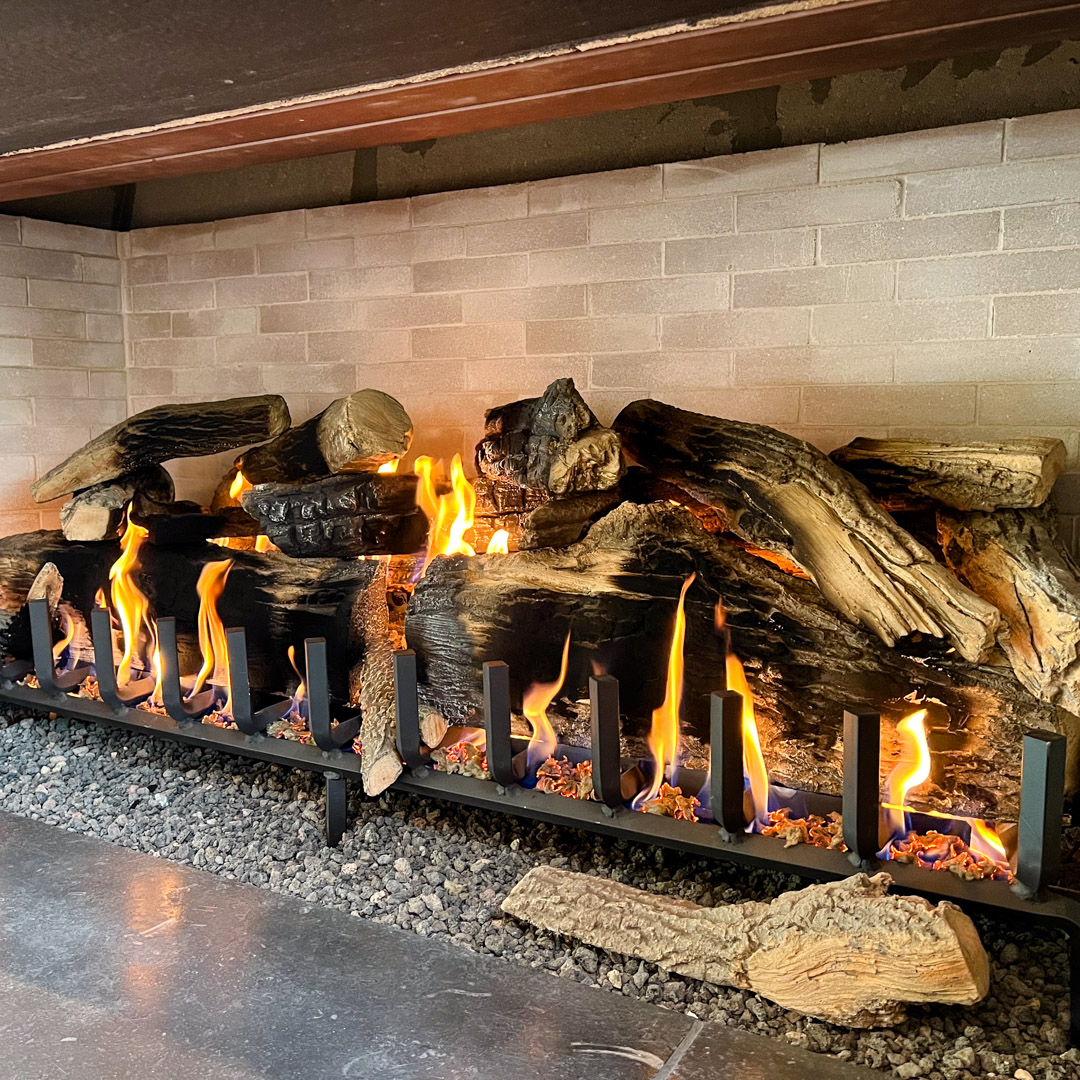
Homeowners often switch from wood-burning to gas fireplaces for the ease of use. But sometimes it isn’t clear that there’s some rhyme and reason to how to set it all up. Proper placement affects heat flow, fuel efficiency, and the overall performance of your fireplace. Twin City Fireplace can help homeowners get their gas fireplace up and running, or adjust it for efficiency, if needed.
Understanding Energy Flow in Your Fireplace
To put it simply, energy flow in a fireplace refers to how heat moves, circulates, and radiates. The keyword here is “circulate”. Gas logs rely on proper air circulation to burn efficiently and warm your home. While this impacts comfort, so does fuel usage and your fireplace’s vent performance.
Common Mistakes Homeowners Make with Gas Log Placement
There are a few common mistakes that are, luckily, very easy to fix. Start here if you suspect poor air circulation in your gas fireplace:
- Logs pushed too far back and blocking the airflow.
- Logs stacked too tightly, reducing flame movement.
- Logs are positioned unevenly, creating cold spots.
- Using old wood-burner grates instead of the correct gas log grate.
Why Does Placement Affect My Heat Output & Efficiency?
If it seems like so many reasons are related to how logs are placed, you wouldn’t be wrong. In fact, placement is one of the most common solutions we offer homeowners with gas fireplaces. The why is quite simple: properly spaced logs allow the burner to distribute flames evenly. The correct positioning helps heat radiate outward rather than being trapped.
The Best Way to Position Gas Logs for Circulation
The first thing to do is center the burner and logs in the firebox to ensure balanced heat. Make sure to keep the spacing open so those flames can move freely and naturally. Most gas fireplaces come with a diagram in the instruction manual. Typically, those are the exact placement instructions, not merely a suggestion. That placement will ensure safety and even the fireplace’s warranty being intact. Lastly, make sure vital components, such as the pilot light, valves, and sensors, aren’t obstructed.
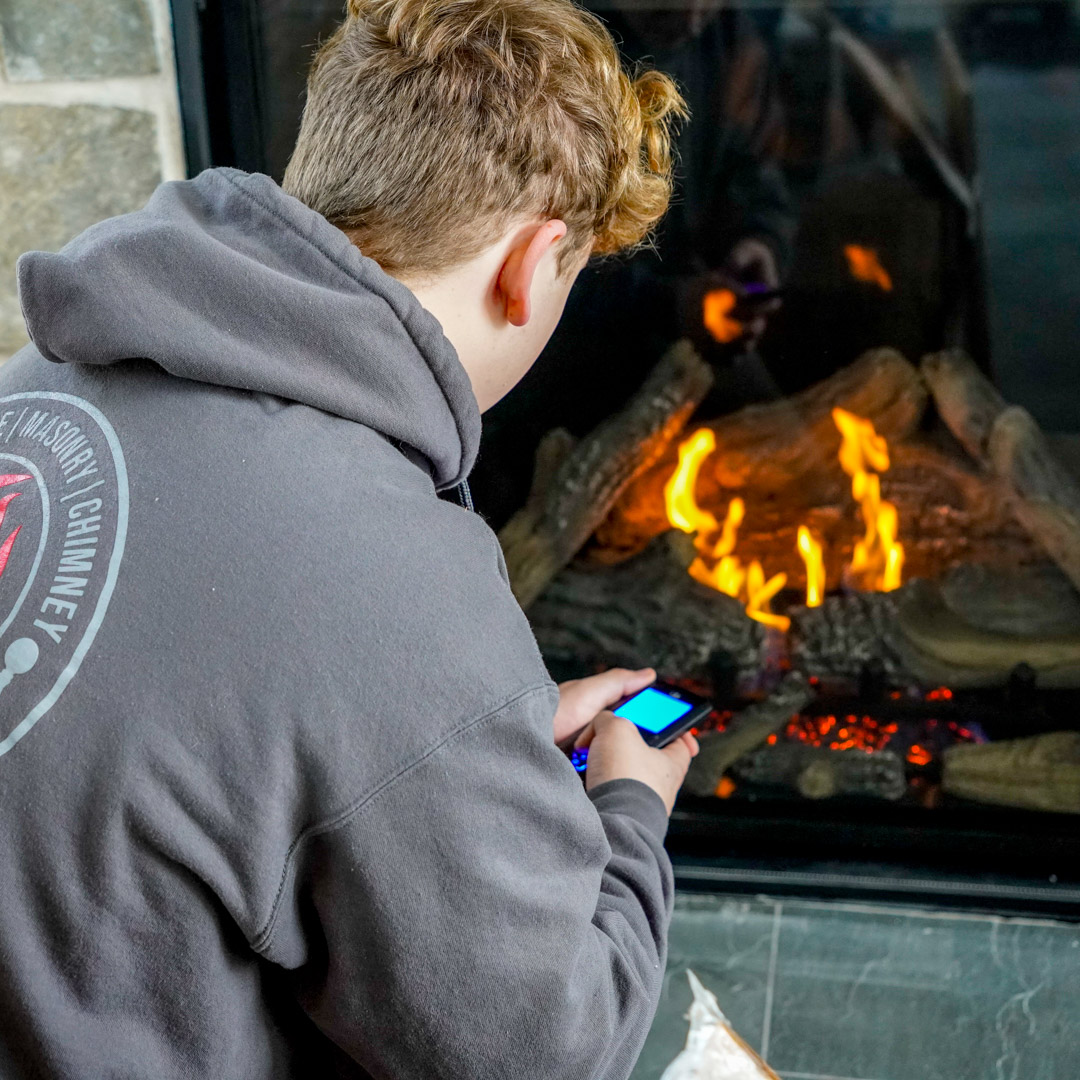
Tip: Once you get the layout perfect, snap a picture. When you disassemble to clean, you’ll be glad you have it.
Safety Considerations to Remember
Log placement extends beyond just comfort and airflow. It can also cause safety issues, such as soot buildup, carbon monoxide, or even a weak ignition. Please make sure the logs never come into contact with the burner, as this can cause overheating. Also, check if you have vent-free logs, as those require even stricter placement. If you have these, definitely reference the manual.
Need Assistance With Your Gas Fireplace? Call Twin City
Gas log placement is often straightforward, but some models can be tricky. If you are struggling to get the ideal placement, it may be time to call the professionals. Twin City Fireplace can help homeowners enjoy a warm, well-functioning fireplace all season long.