 Veteran Owned

A house doesn’t need to come with a fireplace for you to have one. Maybe you have an empty wall in the living room that has never served much of a purpose. Or you’re finishing the basement and keep thinking a fireplace would make the space feel less like a basement. Gas makes both possible without building the kind of chimney you’d expect with a traditional wood-burning fireplace.
Twin City Fireplace installs new gas fireplaces throughout Cottage Grove, MN, including projects in homes that weren’t originally built with one.
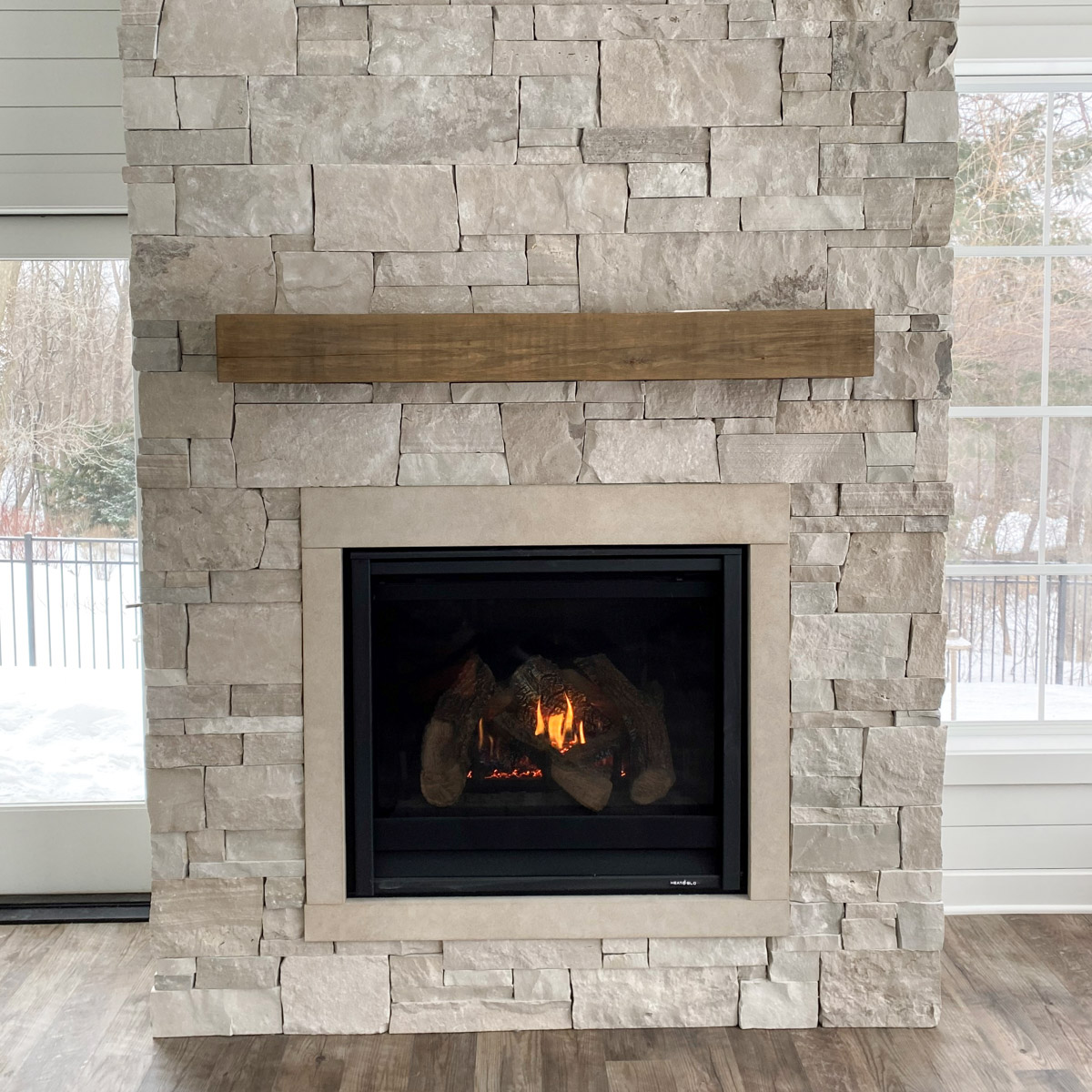
Finding a Place for the Fireplace
The spot you have in mind may work. But it may need a little adjusting. Gas fireplaces still have installation requirements that affect where you can put them. Venting must reach the exterior, gas service must be available, and the fireplace needs enough room for the unit and required clearances.
An exterior wall can make venting fairly straightforward in some homes. That doesn’t mean it’s the only option. Different fireplace and venting configurations allow other layouts depending on the house. This is one reason it helps to choose the location and fireplace together rather than buying a unit first and figuring out where to put it afterward.
Choosing a Gas Fireplace
Once you start looking, gas fireplaces aren’t all that similar. Some have a traditional look with logs and a familiar firebox shape. Others have wider viewing areas or a more contemporary appearance. The differences aren’t limited to what you see from across the room, either.
Size and heat output also factor into the decision. A fireplace in a smaller den doesn’t necessarily need to do the same job as one in a large living room with an open floor plan. How you plan to use it helps narrow things down. Some homeowners want supplemental heat they’ll use regularly through the winter. Others mainly want a fire going while they’re spending time in the room.
Building It Into the Room
A new fireplace needs something around it. Depending on the project, that can mean framing a new section of wall or building out an area for the fireplace and venting. Once the unit is installed, the visible part starts taking shape.
This is where the fireplace can go in very different directions. One homeowner might want stone and a substantial mantel. Someone else may prefer a simpler surround that barely projects into the room. Practical details also factor into those choices. A television above the fireplace, nearby windows, furniture, and walkways can all affect the finished layout. It’s easier to account for those things before you build the wall than afterward.
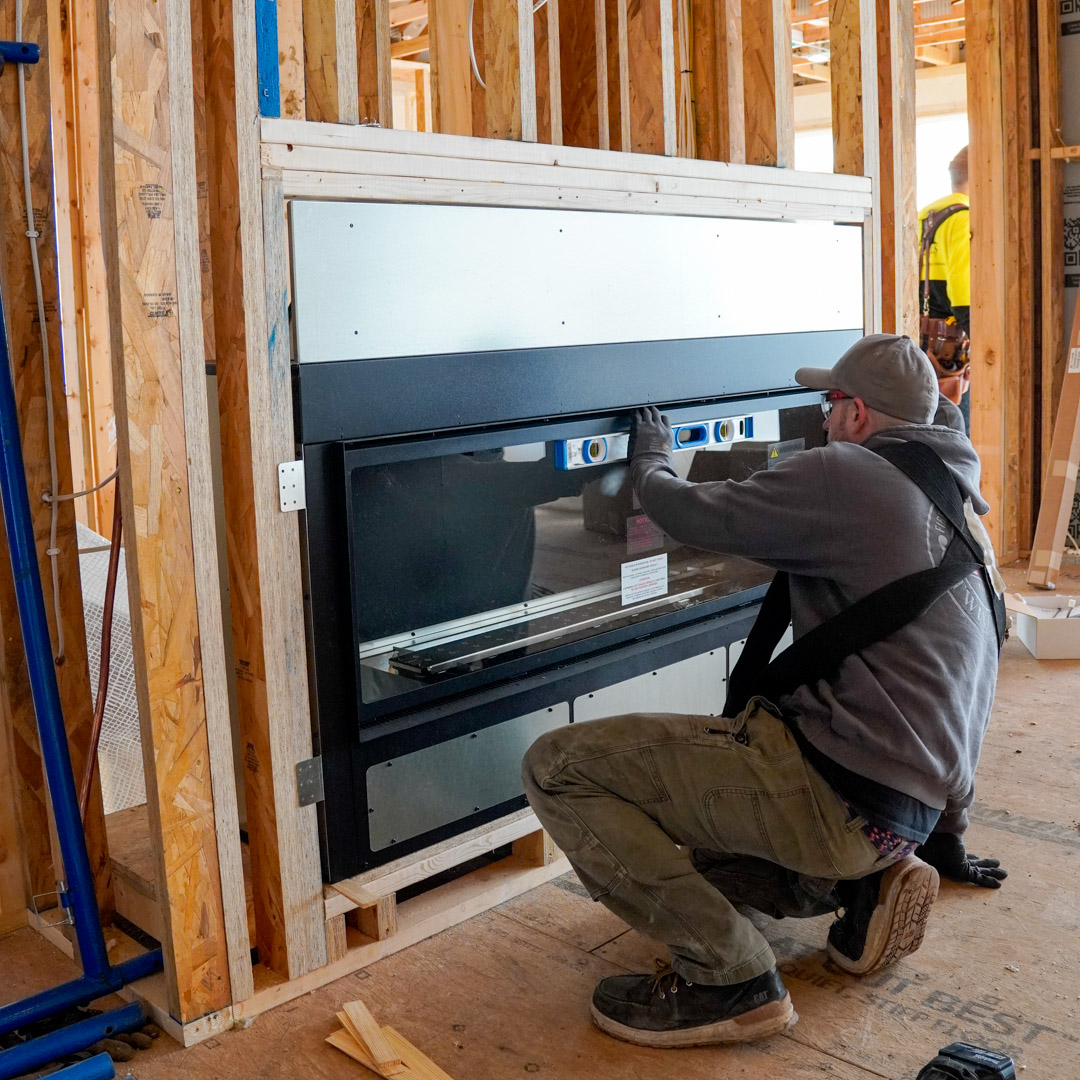
Adding a Fireplace to Your Cottage Grove Home
One advantage of adding a fireplace later is that you can choose it for the house as it exists now. You aren’t stuck with a fireplace location or style someone picked decades ago. You can start with the room you actually use, find a fireplace that works there, and build the finished design around it.
Twin City Fireplace installs gas fireplaces in Cottage Grove and nearby Woodbury, Newport, and St. Paul. If there’s a room in your house where you’ve always thought a fireplace would fit, schedule an appointment to review your installation options.